
Deep Brain Reorienting and Neurofeedback: A Combined Approach to Trauma Healing

What if trauma therapy could address both the processing of traumatic experiences and the way your nervous system responds to them?
Deep Brain Reorienting (DBR) and LENS Neurofeedback are two different brain-based approaches that can sometimes be used together to support trauma healing.
While DBR focuses on processing the effects of overwhelming experiences and shock, LENS Neurofeedback offers a different way of working with the brain and nervous system.
What Is Deep Brain Reorienting?

Deep Brain Reorienting (DBR) is a brain-based trauma therapy developed by Dr. Frank Corrigan. DBR works with the brain’s natural orienting response to threat, focusing on the shock response and the physical sensations that can occur following a traumatic or overwhelming experience.
Rather than focusing only on the story of what happened, DBR slows the process down and helps clients connect with and process the shock and accompanying body sensations that may remain after a traumatic experience.
As the process unfolds, DBR works with the effects of shock in the brainstem and the nervous system. When shock remains unresolved, it may continue to influence higher brain activity, contributing to heightened emotional responses, changes in mood, rumination, and other ongoing mental and emotional experiences.
By working with the underlying shock response, DBR supports the brain and nervous system in processing what has remained unresolved. This may create greater flexibility in how a person experiences themselves, their emotions, and their responses to the world around them.
What Is LENS Neurofeedback?
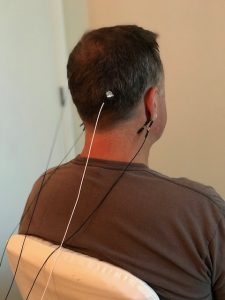 LENS Neurofeedback is a form of neurofeedback that uses very low-power electromagnetic signals and feedback to interact with patterns of brain activity.
LENS is designed to help lift patterns of suppression in the brain. This can allow the brain to become less fixed in existing patterns and create greater flexibility in how the brain responds and adapts.
LENS does not require you to talk about your trauma or revisit traumatic memories. Instead, the focus is on working with patterns of brain activity and supporting greater flexibility and regulation.
For some people, LENS can be a gentle way to support the brain and nervous system while also working through other forms of therapy.
Why Combine DBR and LENS Neurofeedback?
DBR and LENS Neurofeedback work in different ways, which can make them complementary approaches.
DBR provides a way to process trauma and shock, while LENS Neurofeedback provides another way to work with patterns of brain activity and regulation.
For some clients, LENS may be helpful before beginning deeper trauma processing. It may help create more flexibility and support the ability to engage in trauma therapy.
For others, LENS may be used alongside DBR or at different points in treatment as their needs change.
The goal is not necessarily to use both approaches at the same time. Instead, they can be used thoughtfully based on what may be most helpful for you.
A More Individualized Approach
There is no single combination that works for everyone.
Some clients may benefit from DBR alone. Others may benefit from LENS Neurofeedback alone or from using both approaches at different points in therapy.
The decision about whether to combine them depends on your individual needs, your ability to stay regulated, and how you are responding to treatment.
Sometimes the two approaches may be used during the same period of treatment or even in the same session. At other times, it may make sense to focus on one approach before introducing the other.
The goal is not to do more therapy. The goal is to find the approach—or combination of approaches—that best supports your healing.
Supporting Both Processing and Regulation
Trauma healing is not simply about remembering what happened or talking about difficult experiences.
It can also involve developing a greater ability to stay present with difficult experiences, supporting nervous system regulation, and developing a greater sense of connection with yourself.
DBR and LENS Neurofeedback offer different ways of supporting this work.
For some clients, combining these approaches may provide a way to address both the experiences that need to be processed and the resetting of the brain and nervous system after trauma.
An Evolving Approach
Both DBR and LENS Neurofeedback are approaches that continue to develop as we learn more about trauma, the brain, and the nervous system.
We find it valuable to have different therapeutic approaches available because every person responds differently. What is helpful for one person may not be the right fit for another.
The decision about which approach to use is individualized and based on the person’s needs and response to treatment.
Learn More About DBR and LENS Neurofeedback
Interested in learning more about Deep Brain Reorienting (DBR) or LENS Neurofeedback? Explore our resources to discover how these specialized approaches may support trauma healing, brain-body healing, and your journey toward meaningful change.
Advanced Training and Experience
Lemecia Lindsey, LICSW, has completed advanced Level 3 training in Deep Brain Reorienting and has advanced training and experience in LENS Neurofeedback. Through an integrative, trauma-responsive approach, she incorporates these specialized therapies to help clients address the deeper effects of trauma and support healing.
Vancouver EMDR Therapy PLLC
Additional Posts

Deep Brain Reorienting (DBR) can be difficult to explain because much of the work happens beneath conscious awareness. Clients may notice changes in sensations, emotions, images, or body responses that can be hard to put into words. One way to understand [...]

Ketamine-Assisted EMDR Therapy (KA-EMDR®) combines EMDR therapy with low-dose sublingual ketamine to offer another approach to trauma healing. When You’ve Done the Work but Still Feel Stuck “I’ve done the work. I understand my trauma. Why do I still feel this [...]
What if trauma therapy could address both the processing of traumatic experiences and the way your nervous system responds to them? Deep Brain Reorienting (DBR) and LENS Neurofeedback are two different brain-based approaches that can sometimes be used together to support [...]

When we think about trauma, we often think about fear, sadness, anger, or other emotions. But trauma can also leave something deeper behind: shock. Deep Brain Reorienting™ was developed by Dr. Frank Corrigan, a psychiatrist whose research and clinical work in [...]


