
How Is LENS Neurofeedback Different From Other Neurofeedback?

If you’re researching LENS vs traditional neurofeedback, you may be wondering how these approaches differ and which might fit your needs. Both aim to support brain regulation, but they use different methods. At Vancouver EMDR Therapy & Neurofeedback, LENS can also be integrated with EMDR therapy and Deep Brain Reorienting (DBR), when appropriate.
At Vancouver EMDR Therapy & Neurofeedback, we use LENS (Low Energy Neurofeedback System) as a brain-based approach to support nervous system regulation. One of the things that makes LENS unique is that it can be integrated with trauma therapies such as EMDR therapy and Deep Brain Reorienting (DBR).
While different forms of neurofeedback share the goal of supporting brain regulation, they use different methods to work toward that goal. One approach isn’t necessarily better than another. Each offers a different tool, and the right fit depends on your needs, treatment goals, and how your brain and nervous system respond.
Below, we answer some common questions about LENS Neurofeedback and how it differs from other forms of neurofeedback.
What Is LENS Neurofeedback?
 LENS stands for Low Energy Neurofeedback System. It is a specialized form of neurofeedback that uses information about your brain’s electrical activity, measured through electroencephalography (EEG), to guide the feedback provided during a session.
Our brains are constantly adapting to experiences, stress, and our environments. This ability to change is called neuroplasticity. Sometimes, however, the nervous system can become stuck in patterns associated with chronic stress, trauma, anxiety, sleep difficulties, or emotional reactivity.
LENS is designed to support the brain’s capacity for self-regulation and greater flexibility. Rather than asking you to consciously practice changing your brainwave activity, LENS provides brief feedback based on your own EEG activity.
The process is passive, meaning you don’t need to watch a screen, follow instructions, or consciously try to change your brainwaves.
For some people, this can be a helpful option when sustained concentration or active training feels difficult.
To learn more about how we use this approach, visit our LENS Neurofeedback page.
LENS vs Traditional Neurofeedback: How Do They Compare?
 Understanding LENS vs traditional neurofeedback starts with looking at how each approach provides feedback to the brain.
The main difference is how the brain receives feedback and participates in the process.
Traditional neurofeedback often involves placing sensors on the scalp to monitor brainwave activity while you watch a screen, listen to sounds, or engage with another form of feedback. The system responds to your brain activity, and you gradually learn to influence particular patterns through repeated practice.
LENS takes a different approach.
During a LENS session, sensors measure your brainwave activity. The system then provides brief, low-energy feedback based on that activity. You don’t need to consciously control your brainwaves or learn a particular response.
Here are some of the key differences:
Traditional neurofeedback:
- Often involves active participation and learning.
- May use visual or auditory feedback.
- Typically includes repeated training sessions.
- Often focuses on helping you learn to influence specific brainwave patterns over time.
LENS Neurofeedback:
- Is a passive approach that does not require you to consciously change your brainwaves.
- Does not rely on watching a screen or responding to audio cues.
- Uses very brief periods of feedback.
- Is individualized using information about your own EEG activity.
Both approaches aim to support healthier brain regulation, but they use different methods to work toward that goal.
Is LENS Neurofeedback Better Than Other Types of Neurofeedback?
No. I don’t view LENS as inherently better than other forms of neurofeedback. I see it as a different tool that may be a good fit for certain needs.
When comparing LENS vs traditional neurofeedback, it’s helpful to consider your individual needs, treatment goals, and preferences.
Some people appreciate traditional neurofeedback because they actively participate in the learning process. Others prefer LENS because the sessions are brief and don’t require sustained attention or conscious effort.
When considering LENS vs traditional neurofeedback, the best choice depends on your needs, preferences, and treatment goals.
When I consider neurofeedback as part of treatment, I’m interested in understanding how your brain and nervous system are functioning and what might help you experience greater flexibility and regulation.
The goal isn’t to choose the newest or most advanced technology. It’s to find an approach that makes sense for you.
What Is a Brain Map, and Why Is It Used With LENS?
Before beginning LENS Neurofeedback, we gather information about your history, symptoms, and current concerns. We also use EEG information to help us understand patterns of brain activity.
A brain map provides information about how your brain is functioning at the time of the assessment. This information can help guide treatment and identify patterns we may want to pay attention to, including areas of suppression when present.
In the LENS approach, suppression refers to patterns of reduced EEG activity in particular areas. This information can be useful when considering how to individualize treatment.
A brain map is not a stand-alone diagnosis, and it does not tell us everything about your experiences or needs. We consider it alongside your history, symptoms, and goals rather than relying on brain activity alone to determine treatment.
I believe it’s important to look at the whole person. Brain-based information can add another layer to our understanding, but your lived experience matters just as much.
Can LENS Neurofeedback Be Combined With EMDR Therapy?
 Yes. One of the things I value about LENS is that it can be integrated with EMDR therapy when clinically appropriate.
EMDR therapy helps people process distressing memories and experiences that may continue to affect their emotions, beliefs, body responses, and daily lives. LENS offers a different kind of support by working with patterns of brain activity and the nervous system’s capacity for self-regulation.
These approaches have different purposes, but they can complement one another.
Depending on your needs and treatment plan, LENS may be used:
- Before EMDR processing: To support regulation and help prepare for trauma-focused work.
- During an EMDR session: When appropriate, LENS may be incorporated into the session to complement the therapeutic work.
- After EMDR processing: To provide additional brain-based support as we move toward closure and integration.
The timing is individualized. We consider your response to treatment, your ability to remain regulated, and what would be most helpful at that point in your session.
Combining these approaches doesn’t mean that everyone needs neurofeedback to benefit from EMDR. Rather, it gives us another tool to consider when developing a treatment plan that fits your needs.
Can LENS Neurofeedback Be Used With Deep Brain Reorienting (DBR)?
Yes. LENS can also be integrated with Deep Brain Reorienting (DBR), depending on your needs and the structure of your treatment session.
DBR is a trauma therapy that focuses on the brainstem and the body’s early responses to shock and attachment-related distress. It offers a different way of working with traumatic experiences than approaches that focus primarily on memories and their associated thoughts and emotions.
LENS and DBR have different roles in treatment. DBR provides a therapeutic process for working with underlying responses associated with distress, while LENS may be used to support brain regulation.
For some clients, LENS may be incorporated before or after DBR work during the same appointment. We consider the timing carefully, based on your needs and how you are responding.
My goal is to support the therapeutic process without asking your nervous system to do more than it is ready for.
You can learn more about Deep Brain Reorienting at our practice.
How Many LENS Neurofeedback Sessions Will I Need?
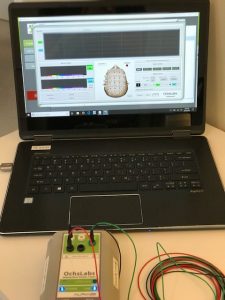 The number of sessions varies from person to person.
According to Ochs Labs, the developer of LENS, treatment is individualized, and the number of sessions depends on the person’s needs and response.
At our practice, we often begin by planning for around 10 sessions, although some people may need fewer sessions and others may benefit from a longer course of treatment. For more complex concerns, treatment may extend to 20 sessions or more.
Several factors influence the number of sessions you may need, including your history, the concerns you’re experiencing, your response to treatment, and whether LENS is being used on its own or alongside EMDR or DBR.
We monitor changes over time rather than assuming that everyone will respond in the same way or follow the same schedule.
You may notice changes in one area before another. For example, someone might first notice differences in sleep or mood, while another person notices changes in anxiety, concentration, or emotional reactivity.
We discuss what you’re noticing and use that information to help guide treatment.
For more information about our services and session options, visit our rates and session information page.
What Can LENS Neurofeedback Help With?
LENS may be considered when someone is experiencing difficulties that involve nervous system regulation.
Depending on the individual, treatment goals may include supporting:
- Emotional regulation and mood stability.
- Anxiety and chronic stress.
- Sleep and the ability to settle at night.
- Concentration and mental clarity.
- Emotional reactivity and feeling easily overwhelmed.
- Greater flexibility in how the nervous system responds to stress.
LENS is not a guaranteed solution for these concerns, and people respond differently. It is also important to consider other medical, psychological, and lifestyle factors that may be contributing to symptoms.
When LENS is used alongside therapy, we can consider both the patterns you’re experiencing in daily life and the emotional material you’re working through in treatment.
Is LENS Neurofeedback Right for Me?
If you’re considering neurofeedback, you don’t need to know which approach is right for you before reaching out. If you’re deciding between LENS vs traditional neurofeedback, we can discuss your concerns and explore which approach may be appropriate for you.
We can talk about what you’re experiencing, what you’ve already tried, and what you hope to change. From there, we can explore whether LENS, another form of neurofeedback, EMDR, DBR, or a combination of approaches may be appropriate.
For some people, LENS may be a useful stand-alone intervention. For others, it may be most helpful as part of a broader treatment plan that includes trauma-focused therapy.
I approach treatment collaboratively. We don’t have to assume that one method will meet every need. Instead, we can consider what may help you develop greater regulation, flexibility, and a stronger sense of well-being.
If you’re curious about LENS Neurofeedback and how it might fit into your treatment, I welcome you to reach out. We can discuss your concerns and explore your options together.
About the Author
Lemecia Lindsey, LICSW is the founder and clinical director of Vancouver EMDR Therapy & Neurofeedback and the practice’s LENS Neurofeedback practitioner. She specializes in trauma-responsive care and integrates brain-based approaches, including LENS Neurofeedback, EMDR therapy, and Deep Brain Reorienting (DBR), to support clients in working toward improved emotional regulation and well-being.
Ready to learn more? Visit our LENS Neurofeedback page or contact Vancouver EMDR Therapy & Neurofeedback to discuss whether this approach may be a good fit for you.
Vancouver EMDR Therapy PLLC
Additional Posts

Many people wonder, can EMDR and DBR be used together when treating trauma? The answer depends on the individual and careful treatment planning. If you’re exploring trauma therapy, you may be wondering whether Deep Brain Reorienting (DBR) and EMDR therapy can [...]

If you’re researching LENS vs traditional neurofeedback, you may be wondering how these approaches differ and which might fit your needs. Both aim to support brain regulation, but they use different methods. At Vancouver EMDR Therapy & Neurofeedback, LENS can also [...]

Is EMDR therapy safe? This is a common question for people considering Eye Movement Desensitization and Reprocessing (EMDR) therapy, especially those who have experienced childhood trauma, complex PTSD, or other overwhelming experiences. Although EMDR is an evidence-based treatment for PTSD, some [...]

EMDR therapy for childhood trauma can help adults process distressing early experiences that continue to affect their emotions, relationships, and sense of self. Childhood trauma can include frightening events, neglect, and experiences in which important emotional needs were not consistently met. [...]


