
Restore Your Brain and Improve Your Life with LENS Neurofeedback


Our brainwave activity affects how we feel, how we perform, and how our bodies respond to stress. When brainwave patterns become dysregulated, a wide range of emotional and physical symptoms can develop. The good news is that the brain is highly adaptable. Neurofeedback can help correct unhealthy brainwave patterns and support the development of healthier, more regulated patterns.
Our brains are magnificent and wonderfully complex. Every aspect of our well-being is influenced by brain function. Diet, lifestyle, chronic stress, and trauma can all contribute to unhealthy brain activity patterns. Neurofeedback is a powerful, evidence-based approach that can be life-changing for many people.
Neurofeedback is a form of biofeedback, also known as EEG biofeedback, because it is based on the electroencephalogram (EEG). This scientifically supported, brain-based technique helps clients balance and normalize brain activity, restoring optimal functioning and improving overall quality of life.
What Is LENS Neurofeedback?
LENS stands for Low Energy Neurofeedback System. It is a cutting-edge form of neurofeedback often referred to as direct neurofeedback and represents one of the latest advancements in neurotherapy.
While traditional neurofeedback was first developed in the early 1970s, LENS incorporates decades of technological advancement. It works by gently improving neural activity in the brain using extremely low-energy signals.
LENS is FDA approved, non-invasive, and painless. The electrical signal delivered through the sensors is weaker than the electrical current emitted by a wristwatch. LENS is particularly effective for symptoms related to central nervous system dysregulation.
Who Can Benefit from LENS Neurofeedback?
LENS neurofeedback is remarkably effective. Over 85% of individuals who use LENS report significant benefit. Results can often begin within the first session and are frequently long-lasting.
LENS has been shown to support individuals experiencing:
- ADHD / ADD
- Anxiety
- Post-Traumatic Stress Disorder (PTSD)
- Obsessive Compulsive Disorder (OCD)
- Sleep disturbances
- Traumatic Brain Injury (TBI) and concussions
- Addictions
- Mood disorders
- Anger or emotional reactivity
- Chronic headaches or migraines
- Chronic stress
- Cognitive clarity and focus
- Performance optimization
What Are Neurofeedback Sessions Like?
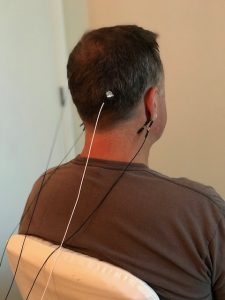
In traditional neurofeedback sessions, clients typically remain still for 20–40 minutes while watching a screen. During this time, the practitioner adjusts brainwave training thresholds in real time based on normative criteria. The brain learns to modify its activity through visual, auditory, or kinesthetic feedback.
LENS neurofeedback sessions are very different. Clients may sit with their eyes open or closed and receive only a few seconds of low-energy neurofeedback input. Because sessions are brief and gentle, LENS can be integrated with psychotherapy, including EMDR therapy, either during or immediately following treatment.
Healthy Brain, Healthy You
LENS neurofeedback is most effective when used as part of a holistic treatment approach that includes psychotherapy. While LENS can be used as a standalone intervention, it is especially powerful when combined with trauma-informed therapy.
Therapist Lemecia Lindsey, LICSW, at
Vancouver EMDR Therapy
and
Vancouver Wellness Studio,
specializes in combining LENS Neurofeedback and EMDR therapy.
This integrated approach is particularly effective for addressing symptoms such as PTSD, anxiety, depression, OCD, dissociation, ADHD/ADD, addictions, bipolar disorder, panic attacks, and more.
Learn More About LENS Neurofeedback
To learn more about how LENS Neurofeedback can help restore optimal brain function and improve quality of life, visit:
If stress, trauma, or neurological symptoms are affecting your daily life, a gentle, brain-based approach may help.
Contact us to learn more about LENS Neurofeedback and EMDR therapy.
Vancouver EMDR Therapy PLLC
Additional Posts

Many people wonder, can EMDR and DBR be used together when treating trauma? The answer depends on the individual and careful treatment planning. If you’re exploring trauma therapy, you may be wondering whether Deep Brain Reorienting (DBR) and EMDR therapy can [...]

If you’re researching LENS vs traditional neurofeedback, you may be wondering how these approaches differ and which might fit your needs. Both aim to support brain regulation, but they use different methods. At Vancouver EMDR Therapy & Neurofeedback, LENS can also [...]

Is EMDR therapy safe? This is a common question for people considering Eye Movement Desensitization and Reprocessing (EMDR) therapy, especially those who have experienced childhood trauma, complex PTSD, or other overwhelming experiences. Although EMDR is an evidence-based treatment for PTSD, some [...]

EMDR therapy for childhood trauma can help adults process distressing early experiences that continue to affect their emotions, relationships, and sense of self. Childhood trauma can include frightening events, neglect, and experiences in which important emotional needs were not consistently met. [...]


